Hexagon quilts have gained popularity in the past few years, and one might think that they are a modern quilt style.
However, that is far from the truth, and I’m super excited to shed some light on one of the most famous hexagon quilt patterns ever created.
This post will discuss the beautiful and sweet grandmother’s flower garden quilts.
We’ll review its history, what makes it unique, some gorgeous examples of the pattern, and how to create one.
What Is the History of the Grandmother’s Flower Garden Quilt?
Many traditional quilt patterns are commonly thought to have surfaced around the turn of the 20th century. That’s understandable since quilt-making had a resurgence during that time, but many don’t know that this specific quilt pattern has been around a lot longer.
The grandmother’s flower garden pattern (aka hexagon flower garden or french rose garden) is in a category called “mosaic patterns” and has been around since the late 1770s. Shocking, right?
No wonder this quilt has remained a popular choice for quilters; it’s a fun challenge and can be therapeutic, creating hundreds, if not thousands, of small hexagon pieces to create a beautiful mosaic-like design.
How Many Hexagons Are in a Grandmother’s Flower Garden Quilt?
The number of hexagons you need to make for a hexagon flower quilt will depend on what size quilt you want to make and the size of hexagon you choose to make. As I mentioned, you could make hundreds or thousands of hexagons for one quilt.
I recommend finding a pattern and using that to determine how many hexagons you need to make for your quilt. On the other hand, you could start making a bunch of hexagon blocks and see what size you come up with.
How to Make a Grandmother's Flower Garden Block
Each "flower" is a ring of hexagons:
- 1 center hexagon, traditionally yellow or another bright color
- 6 petal hexagons around the center
- 12 outer hexagons in a second ring, often green or white, which act as the garden "path" between flowers
That's 19 hexagons for one complete flower with a path. Many quilters also add a single ring of white or green hexagons between each flower.
Hand or machine?
There are two main ways to piece hexagons:
- English paper piecing (EPP): wrap fabric around paper or card templates and whip stitch the edges together by hand. It's very accurate and portable, which is why so many quilters stitch hexagons in front of the TV or on the go. See our EPP patterns for more projects.
- Machine piecing: hexagons join with set-in seams (sometimes called Y-seams). You stop 1/4" from each corner and pivot. It takes practice, but it's much faster for a big quilt. Our hexagon quilt tutorial shows you how.
Choosing a hexagon size
Hexagons are measured by the length of one side. A 1" hexagon is a classic size for flower garden quilts. It measures about 2" from point to point and about 1 ¾" from one flat side to the other. Larger hexagons (1 ½" or 2") make a quilt much faster, while tiny ½" hexagons are perfect for miniatures.
Picking fabrics
Traditional flower garden quilts use 1930s-style reproduction prints: small, cheerful florals and dots in pastel colors. This is a perfect scrap quilt, because each flower only needs a little fabric. Modern versions look striking in solids or bright prints with a gray or navy path.
22 Gorgeous Grandmother’s Flower Garden Quilt Patterns
Now, let’s look at some beautiful examples of this versatile quilt pattern. I found a mixture of old and new quilts to show you how timeless this quilt pattern is.
1. Quilt Barn’s Hexagon Flower Quilt
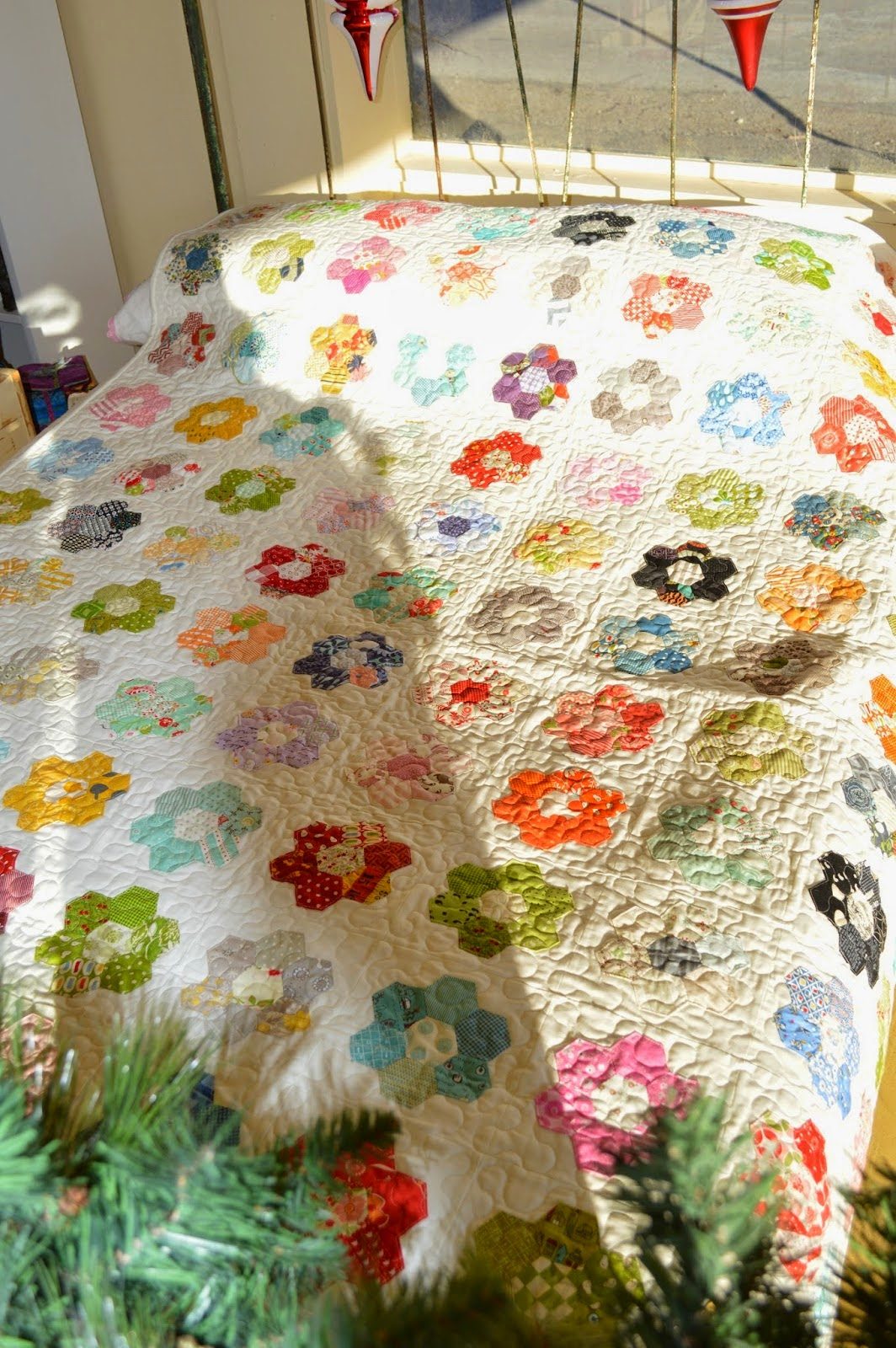
Here is a simplified version of a regular flower garden quilt with a flower design on a square block. This would be a great beginner quilt project. The blocks are pieced together using hand and machine sewing.
2. Scrappy Grandmother’s Flower Garden Quilt
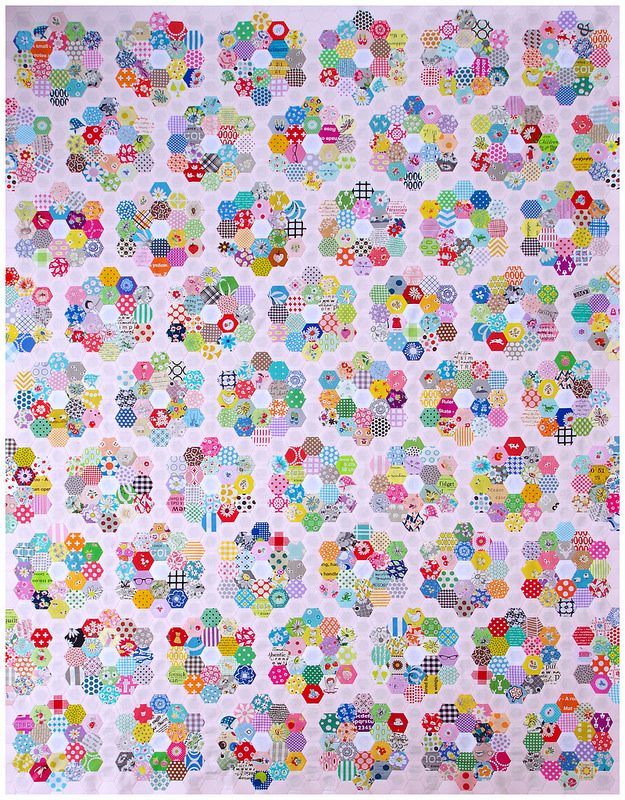
Here is a super-scrappy version of the grandmother’s flower garden pattern. The maker used 1,572 hexagons to create this stunning quilt top. If you have a bunch of fabric scraps, this is a great way to use them. The finished quilt top measures 56” x 72”.
3. Jumbo Flower Garden
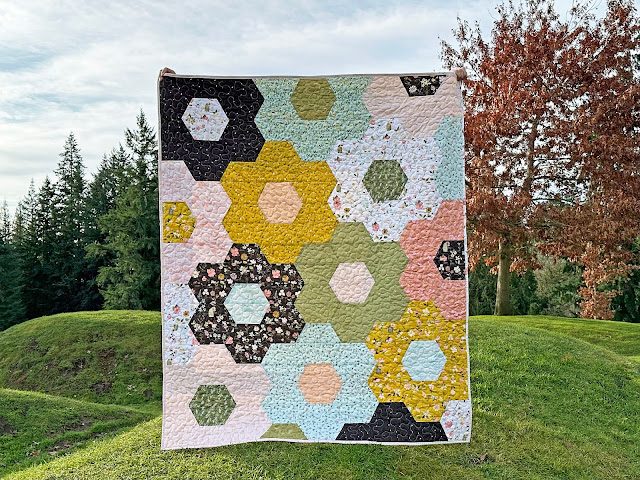
This is a free tutorial from A Bit of Scrap Stuff that uses extra large half-hexagon pieces to make these large flower blocks.
The tutorial does recommend either using Accuquilt Go! Cutter or a Half-Hexagon template from Missouri Star Quilt Co.You can make this entire quilt with your sewing machine, so there is no need for hand sewing.
4. Vintage Grandmother’s Flower Garden
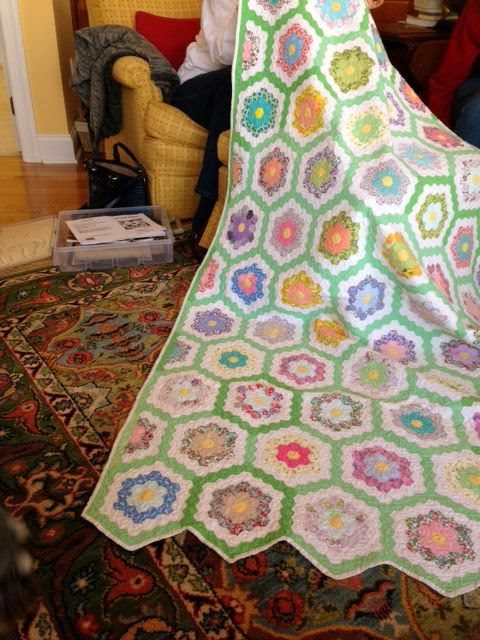
This gorgeous quilt was made entirely by hand and featured beautiful flower hexagon blocks with white and green hexagon borders around each flower block.
I love the unique edges of the quilt where the top and bottom are zig-zag designs, and the sides are flat. You can tell a lot of love and time went into this classic masterpiece.
5. Flower Garden Mini Quilt
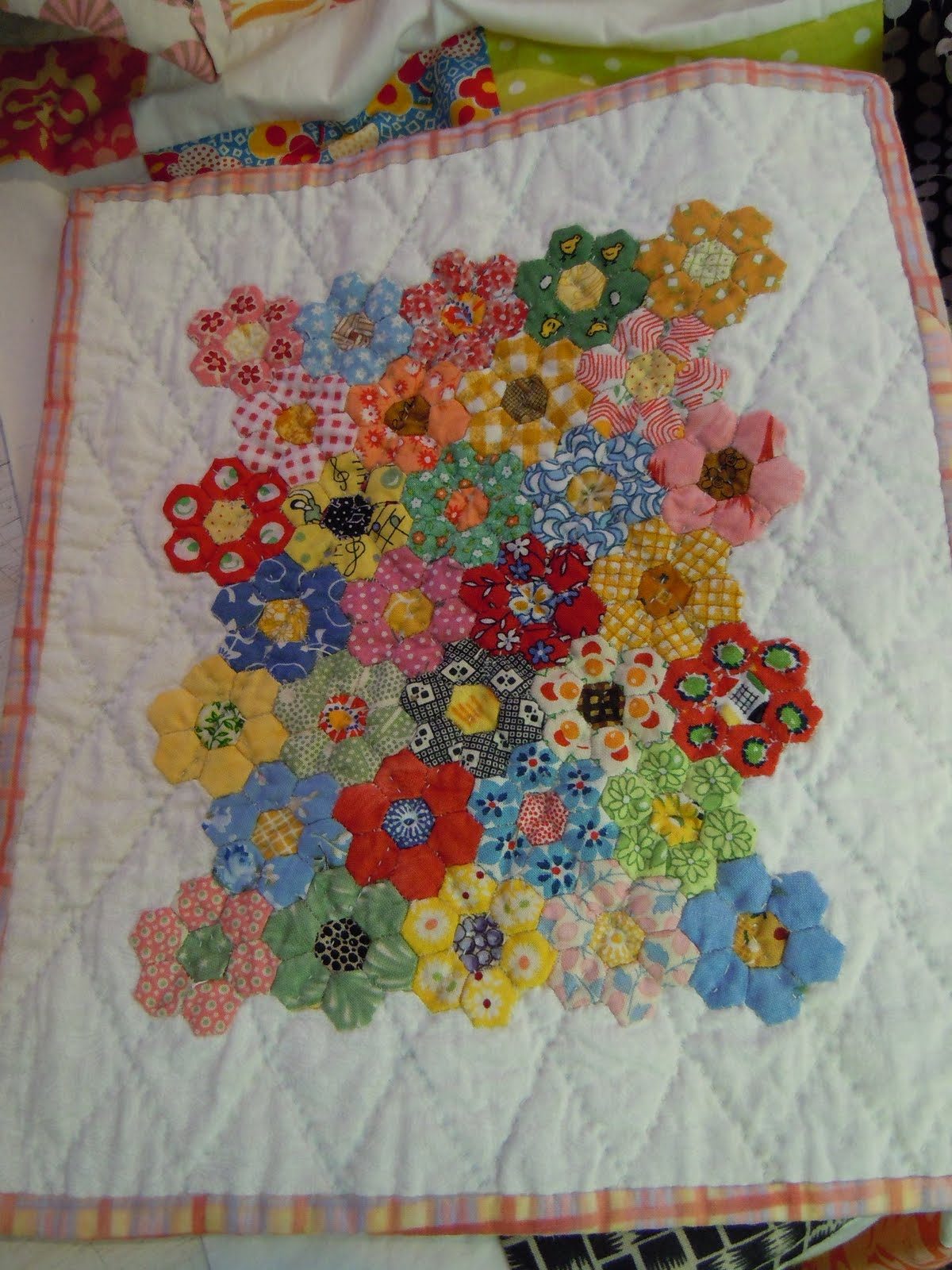
Here is a beautiful mini quilt sprinkling flower garden blocks across a white background. This is another excellent option for beginners since it is a small project. The maker used a simple straight-line hand quilting design for the quilted element of the project.
6. Earth-Tone Hexagon Flower Quilt
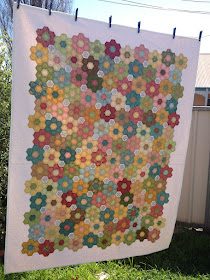
This grandmother’s flower garden quilt uses yummy earth-tone colors that pop against the bright white border surrounding the quilt center. If you look closely, the maker used a light-colored hexagon to break up some blocks for added interest. This quilt is sure to last for generations.
7. 30’s or 40’s Grandma’s Flower Garden Quilt
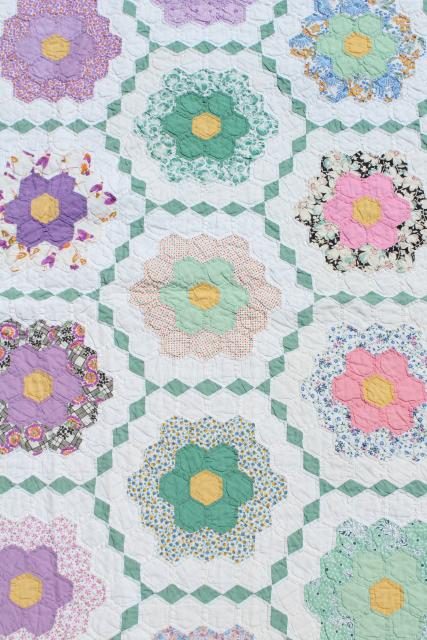
This quilt was made in the 1930s or 1940s, which we can tell by the color palette and fabrics used for the quilt design. Pastels were trendy during that period. The maker hand pieced and quilted this gorgeous piece of art.
8. Pink Flower Hexagon Quilt
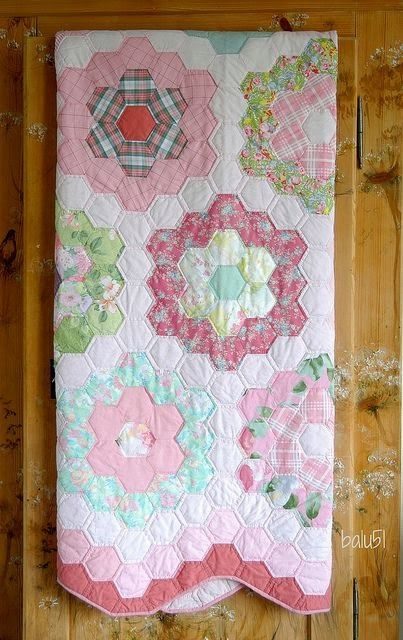
Using a light pink background has given this quilt a sweet, soft look. The maker used a sewing machine to piece together the blocks and then did beautiful, delicate hand quilting. This was also the maker’s 3rd quilt ever! So, this is doable for a new quilter.
9. My Grandma’s Garden
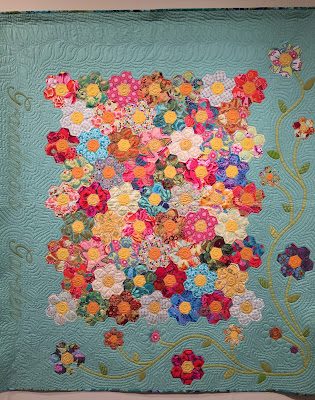
Here is a gorgeous modern take on the grandmother’s garden flower quilt pattern. This quilt features the traditional design in the center of the quilt, then on one side, the quilter, Michele Louise Knight, created movement with a beautiful vine with leaves and flowers.
This quilt perfectly captures the versatility of this pattern.
10. Hexagon Flower Block Tutorial
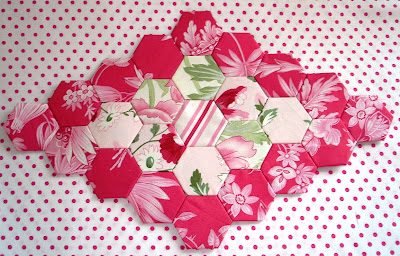
Here is a fabulous free flower quilt block pattern that will show you how to make a hexagon flower block step-by-step. The maker recommends using plastic templates, but you can use paper. You can make any size hexagon flower garden quilt with the information in this tutorial.
11. Modern Bohippian Quilt
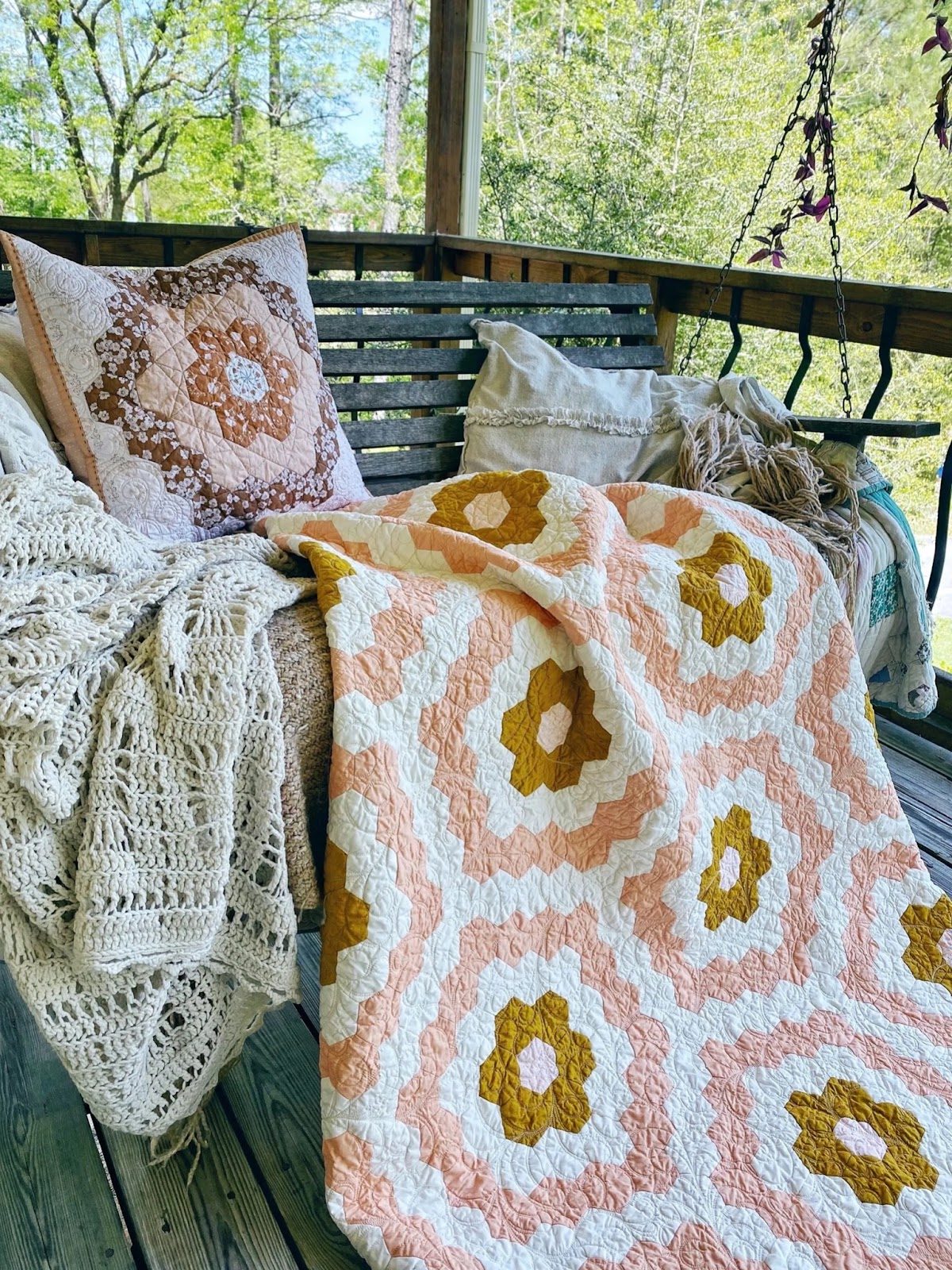
The Bohippian Quilt pattern is a fun twist on the traditional grandmother’s flower garden design. The maker also used a soft, modern color palette to give this quilt a bohemian feel. This pattern includes a pillow, baby, and large throw-size layouts.
12. Hexagon Binding Tutorial
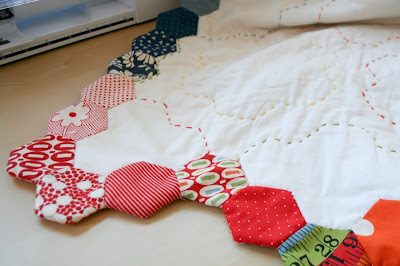
This is a fantastic free tutorial for finishing a grandma’s garden flower quilt using hexagons. The maker includes well-written instructions and diagrams to show how to use hexagons to finish a quilt. This method leaves the quilt edges with a unique honeycomb finish. I love it!
13. A Quilting Life Paper Pieced Flower Garden
Sherri McConnell of A Quilting Life shares how she makes Grandmother's Flower Garden blocks with English paper piecing. It's a great look at the traditional hand method, with tips that make the process relaxing and portable.
More Related Articles
15 Fun And Easy 3-Yard Quilt Patterns
13 Free Scrap Quilt Patterns For Your Next Project
18 Easy And Exquisite Charm Pack Quilt Patterns
Basic Steps for Making a Grandmother’s Flower Garden Quilt
Now that your quilting wheels are turning in your brain let’s go over the basic steps you will take when making a grandmother’s flower garden quilt. Steps may vary depending on the pattern you choose.
14. Choose a pattern.
Decide whether you want to use a pattern or create a design independently. If this is your first hexagon quilt, I recommend using a pattern.
15. Cut out pieces.
When creating the hexagons, you will use EPP (English Paper Piecing.) This means you will need a paper hexagon for each hexagon you are making. You can either purchase precut paper or cut your own. You will also need to cut out a fabric square for each hexagon.
16. Stitch the hexagons.
Place a paper hexagon in the center of each square and stitch around the edge of each hexagon. There are many tutorials on how to do this on YouTube.
17. Sew the flower blocks.
Sew the six hexagons around a central hexagon. Continue stitching on hexagons till you have finished your flowers.
18. Sew the blocks into rows.
Depending on the pattern you choose, take the correct amount of hexagon flowers and stitch them into rows.
19. Sew the rows together.
Next, sew the rows together to create your quilt top. Traditionally, all steps up to #6 are done by hand.
20. Create the quilt sandwich.
Layer your quilt top, batting, and backing fabric and baste it in preparation for quilting.
21. Quilt as desired, either by hand or by machine.
22. Finish (bind) the quilt.
You can use the method from #12 of our example compilation or trim down the edges of the quilt and attach binding like you would for any other quilt.
Final Thoughts
This quilt pattern may be centuries old, but it’s still a popular choice in all areas of quilting. This isn’t surprising since the grandmother’s garden flower quilt pattern is versatile and beautiful. You can tackle this gorgeous pattern regardless of your skill level.
Grandmother's Flower Garden FAQs
How do you finish the edges of a hexagon quilt?
You have two choices. You can trim the hexagons straight along each side for a traditional straight binding, or you can keep the zigzag edge and bind it with bias binding or by turning the edges under. Straight edges are much easier for beginners.
How long does it take to make a Grandmother's Flower Garden quilt?
It depends on the size and method. Hand pieced bed quilts often take months or even years, which is part of their charm. Larger hexagons and machine piecing will get you there much faster.
Can I use a die cutter for hexagons?
Yes. Fabric die cutters with hexagon dies cut accurate shapes quickly, which is a big time saver when you need hundreds of hexagons.